A Complete Guide to Tile Installation Services: What You Should Know
The process of tile installation presents both rewarding and complex aspects. Many homeowners must make decisions regarding materials and budgets, while also requiring the expertise of skilled professionals. It is essential to understand what to expect throughout this journey. Beginning with selecting the ideal tiles and extending to post-installation maintenance, various factors can influence the outcome. What difficulties could emerge, and how might one address them successfully? Answers to these questions will shape the overall experience and satisfaction with the project.
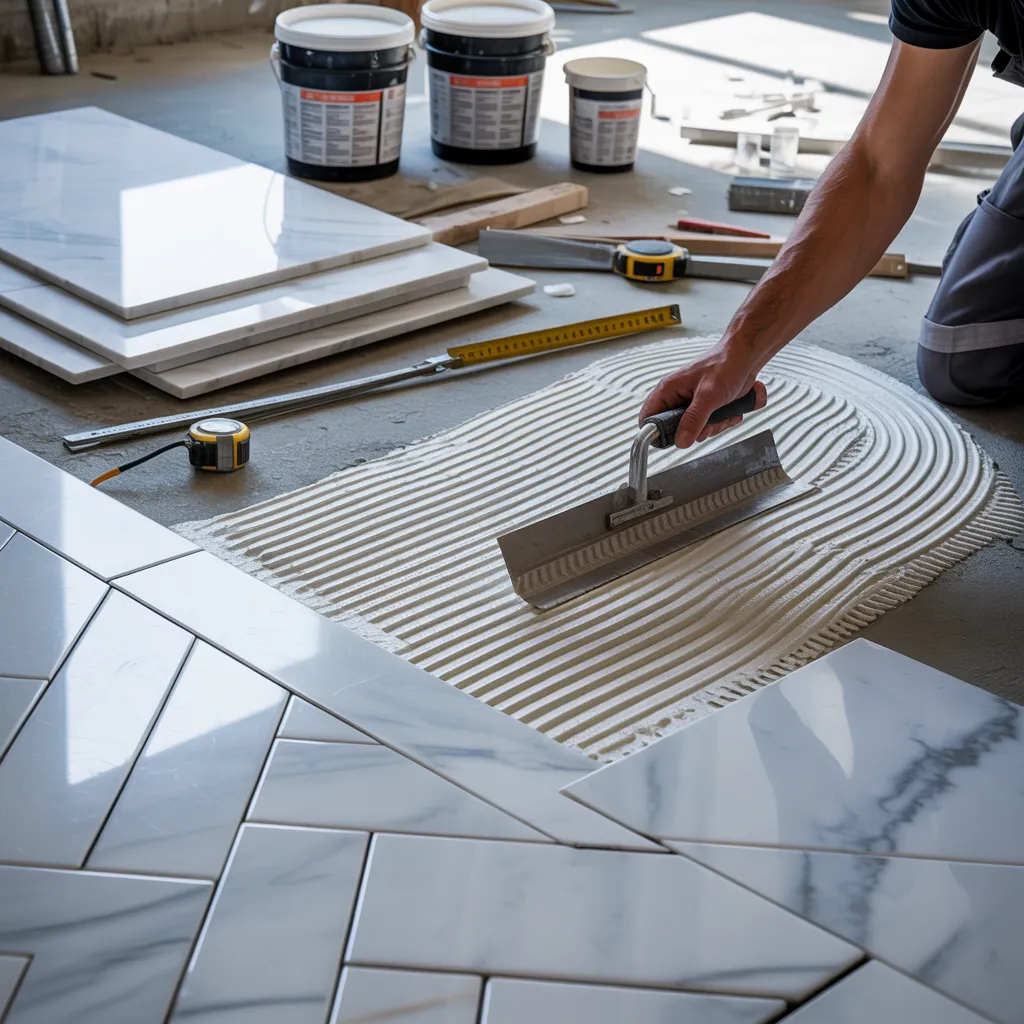
Selecting the Best Tile Materials for Your Project
When starting a tile installation undertaking, homeowners often prioritize selecting the right tile materials. The choosing process involves various factors, including durability, appearance, and installation requirements. Frequently used materials include ceramic tile, porcelain, and natural stone, each presenting unique qualities and limitations.
Ceramic tiles are appreciated for their flexibility and economical value, making them ideal for a wide range of rooms. Porcelain tiles, known for their strength and water resistance, are ideal for heavily used spaces and humid conditions. Natural stone options, including marble and granite, delivers an elegant aesthetic but requires more maintenance and care.
Residents should take into account the tile's pattern, size, and finish to accomplish the intended visual impact. Ultimately, the correct choice of material can improve the general appeal and usability of the area, guaranteeing the installation addresses both usability demands and visual expectations.
What to Anticipate During Your Tile Installation
When undergoing a tile installation, homeowners can prepare for a series of important preparation steps leading up to the installation day. Knowing what takes place on location, from the initial setup to the actual laying of tiles, is crucial for a efficient process. This section details these key considerations to help clients stay well-informed and confident.
Steps to Prepare Before Installation
Getting prepared is critical for a successful tile installation, ensuring a seamless process and optimal results. Homeowners are advised to start by clearing the installation area of furniture and debris, providing a clear and organized space for the installers. Subsequently, assessing the subfloor is crucial; it needs to be even and undamaged to properly support the new tile installation. Any necessary repairs to the subfloor should be completed in advance. Furthermore, choosing the appropriate tile type and arrangement can influence both aesthetics and functionality, so homeowners should consult with professionals for advice. Lastly, confirming the schedule and necessary materials with the installation crew will assist in managing expectations and ensure a smooth project launch. Thorough preparation sets the stage for a successful installation.
Installation Day Expectations
Installation day unfolds with an organized set of procedures that secure an effective tile laying outcome. The team of installers generally arrives ahead of schedule, carrying all essential tools and materials. The team initiates by setting up the work area, confirming that it remains spotless and unobstructed. Once this is complete, the team will measure and mark the layout, ensuring that each tile is placed with precision. As the tile laying process begins, they focus on maintaining even spacing and alignment, frequently utilizing spacers to ensure precision. Based on the total area being covered, the project could span several hours in duration. Upon finishing the installation, the crew will tidy up the area and offer advice regarding the grout curing process. Property owners should anticipate a professional approach and careful attention to every detail from start to finish.
How to Hire the Best Tile Installation Professionals
When searching for the best tile installers, how can someone guarantee that the hired specialists demonstrate the needed expertise and trustworthiness? To begin, researching nearby contractors on the internet can provide invaluable insights. Reviews and testimonials from previous clients frequently highlight the level of craftsmanship and reliability.
Additionally, gathering multiple estimates allows for the ability to compare services and rates, assisting with sound decision-making. One must confirm that the professionals are certified and insured, as this protects against potential liabilities.
Additionally, requesting a portfolio of completed projects can highlight the professional's capabilities and design sensibility, verifying suitability for personal preferences.
Ultimately, carrying out interviews can be useful for assessing interpersonal skills and professional conduct, vital for a productive working relationship. By adhering to these guidelines, homeowners can confidently select skilled tile installation experts who satisfy their requirements and standards.
Typical Obstacles You May Encounter During Tile Installation
When installing tiles, various obstacles may emerge that may impact the end result. Problems with surface preparation can cause an uneven finish, while tile alignment problems might result in a aesthetically unsatisfactory finish. Tackling these issues is essential for achieving related resource a professional-looking installation.
Surface Preparation Problems
Adequate surface preparation is critical for a successful tile installation, as it greatly influences the durability and aesthetics of the finished product. A common challenge frequently faced is the existence of irregular surfaces. Such irregularities can result in tiles breaking or loosening with time. Moreover, moisture complications can emerge if the surface is insufficiently dried or properly sealed, causing mold proliferation and surface deterioration. Contaminants such as debris, dust, or residual adhesive may also hinder effective bonding, compromising the integrity of the tile installation. At times, substandard leveling compounds may be utilized, causing subsequent problems. Resolving these surface preparation challenges is essential for achieving a seamless and long-lasting tile installation, ultimately contributing to the overall satisfaction of the project.
Tile Alignment Issues
Surface preparation issues can often lead to tile alignment challenges, one of the most frequently reported difficulties in tile installation. Uneven subfloors or walls are known to produce misaligned tiles, creating gaps or lippage between adjacent tiles. Additionally, inadequate spacing between tiles may worsen existing alignment problems. When tiles fail to follow a consistent alignment, it can disrupt the aesthetic appeal and compromise the overall integrity of the installation. Poor adhesive application may also contribute to movement during the curing process, causing tiles to slip out of position. To mitigate these problems, thorough surface preparation, exact measurements, and even spacing are critically important. Working with skilled tile installers provides assurance that accurate alignment is upheld throughout every stage of installation, delivering a beautiful and long-lasting final result.
Key Tips for Keeping Your Tiles in Great Shape After Installation
Maintaining tiles post-installation is vital for safeguarding their condition and long-term performance. Routine cleaning is essential; utilizing a pH-neutral cleaner formulated for tiles helps prevent damage. Refrain from using harsh chemicals that may deteriorate grout and tile surfaces. For routine care, a gentle broom or vacuum cleaner can sweep away debris without scratching the surface.
Spills should be addressed promptly so as not to cause staining, particularly on natural stone tiles. Moreover, sealing grout lines every one to two years can protect against moisture and mildew.
You should place mats in heavily used areas to minimize wear. Regular inspections for damaged or shifting tiles can avoid larger problems in the future. If needed, professional deep cleaning can restore the tile's original look.
How Much Does Tile Installation Cost to Budget For?
What is the best way for homeowners to plan a budget for tile installation? Understanding the costs involved is essential for accurate budgeting. The overall cost generally covers materials, labor, and extra charges like underlayment or old flooring removal. The cost of tiles may vary from $1 to $15 per square foot based on the type and quality selected. Labor expenses generally account for an extra $5 to $10 per square foot, shaped by the difficulty of the installation process.
Homeowners must also account for supplementary expenditures, including grout, adhesive, and tools. It is recommended to set aside a contingency of 10-20% for unanticipated complications or material surpluses. In addition, gathering several estimates from contractors can provide a clearer picture of the market rate. In summary, a thoroughly planned budget will help homeowners make informed decisions and eliminate unanticipated financial stress throughout the tile fitting process.
Frequently Asked Questions
How Much Time Does Tile Installation Usually Take for a Standard Room?
Tile work in an average-sized room typically takes anywhere from one to three days, depending on factors like the room size, tile type, and complexity of the layout. Surface preparation and curing time may also add to the total duration.
Am I Able to Install Tiles Over My Existing Flooring?
Tiles can indeed be placed over current flooring, as long as the surface remains clean, even, and structurally stable. However, proper assessment and preparation are vital to guarantee a successful and long-lasting installation.
What Types of Grout Should I Use for My Tiles?
For tile installations, grout options consist of unsanded, sanded, and epoxy. Sanded grout works best with wider joints, unsanded is ideal for narrower spaces, and epoxy offers durability and stain resistance, making it suitable for high-moisture areas.
Should I Seal My Tiles Following Installation?
Indeed, it is generally recommended to seal tiles after installation. It improves longevity, guards against staining, and shields from moisture damage. The need for sealing can differ based on the type of tile and its location, so consulting a professional is advisable.
What Are the Best Tools for DIY Tile Installation?
For a DIY tile installation project, essential tools include a tile cutter, tiling trowel, spirit level, tile spacers, grouting float, and a rubber-headed mallet. Personal safety equipment like protective goggles and knee pads also ensures a safer, more comfortable working environment.